Blooms & Butterflies

Classroom Extension

Franklin Park Conservatory & Botanical Gardens

How to Play

Welcome to Blooms & Butterflies! Here's how to explore:

  • Click or tap to interact with everything on screen.
  • When you see a brown arrow in the bottom-right corner, click it to go to the next screen.
  • When you see an orange rectangle, click it to return to the meadow hub.
  • In the meadow, click on butterfly areas to learn about different species.
  • Click the butterfly net when you're done exploring.
  • If you click the wrong thing, don't worry — you'll get a helpful message!
Click here to return to the main menu!

Teacher's Guide

Select a section below to explore resources for your classroom.

Click here to return to the main menu!

Additional Resources

Explore these videos and documentaries to learn more about butterflies:

Standards & Adaptations

Science Standards Alignment

  • NGSS 3-LS1-1: Develop models to describe that organisms have unique and diverse life cycles.
  • NGSS 3-LS4-2: Use evidence to construct an explanation for how the variations in characteristics among individuals of the same species may provide advantages in surviving.
  • NGSS 4-LS1-1: Construct an argument that plants and animals have internal and external structures that function to support survival, growth, behavior, and reproduction.

Adaptations for Diverse Learners

  • Visual Learners: All content is paired with visual cues and illustrations.
  • ELL Students: Simple, clear language with visual support throughout.
  • Advanced Learners: Encourage deeper exploration with additional resource links.
  • Accessibility: Large click targets, high-contrast text, and clear navigation.

Prompts & Projects

Discussion Prompts

  • Why do you think butterflies need specific host plants?
  • How does camouflage help butterflies survive in the wild?
  • What would happen if a butterfly's host plant disappeared from an area?
  • Compare two butterfly species — how are their adaptations different?

Project Ideas

  • Butterfly Journal: Students observe and sketch butterflies found in their neighborhood.
  • Host Plant Garden: Plan and design a butterfly-friendly garden for the school.
  • Life Cycle Model: Create a 3D model showing the stages of a butterfly's life cycle.
  • Camouflage Art: Design a butterfly with camouflage patterns for a specific habitat.
🧑‍🔬

Meet Larry the Lepidopterist!

Hello there, young explorer! I'm Larry, and I study butterflies. Today, we're going on an adventure through a beautiful meadow filled with amazing butterflies and the plants they love.

Are you ready? Let's go!

Click anywhere to continue
Exploring the Meadow

In the meadow, you'll find different areas to explore. Click on the butterfly icons to learn about different butterfly species and their fascinating world.

Each area will teach you something new about butterflies — from the plants they depend on, to how they hide from predators!

Click anywhere to continue
What You'll Discover

  • Host Plants: Learn which plants each butterfly species needs to survive and lay their eggs.
  • Camouflage: Discover how butterflies use clever disguises to hide from predators.
  • Life Cycles: Explore the amazing transformation from caterpillar to butterfly.
  • Adaptations: See the incredible ways butterflies have adapted to their environment.
Click anywhere to continue
The Meadow

Click any area to begin exploring. Click the net when you're finished!

🌱🦋 Host Plants
🍃🔍 Camouflage
🏆🦋 Butterfly Net

Host Plants

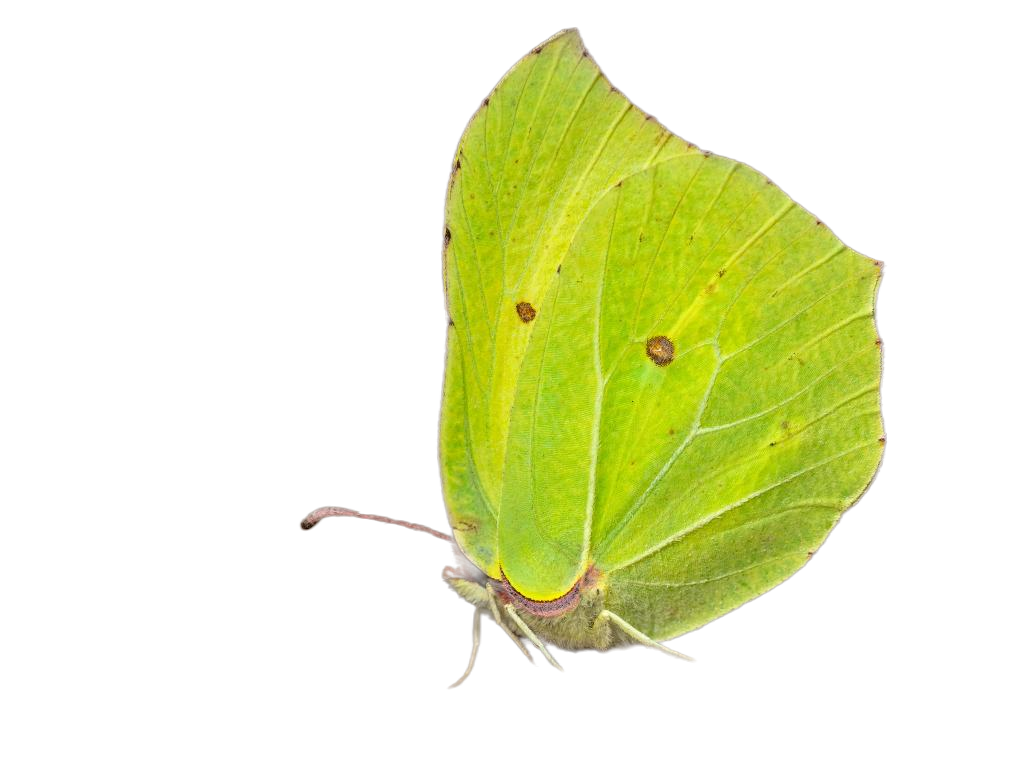
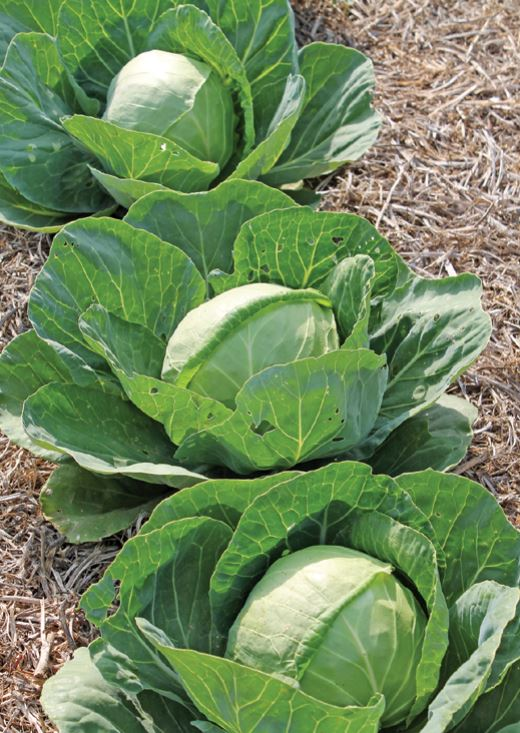
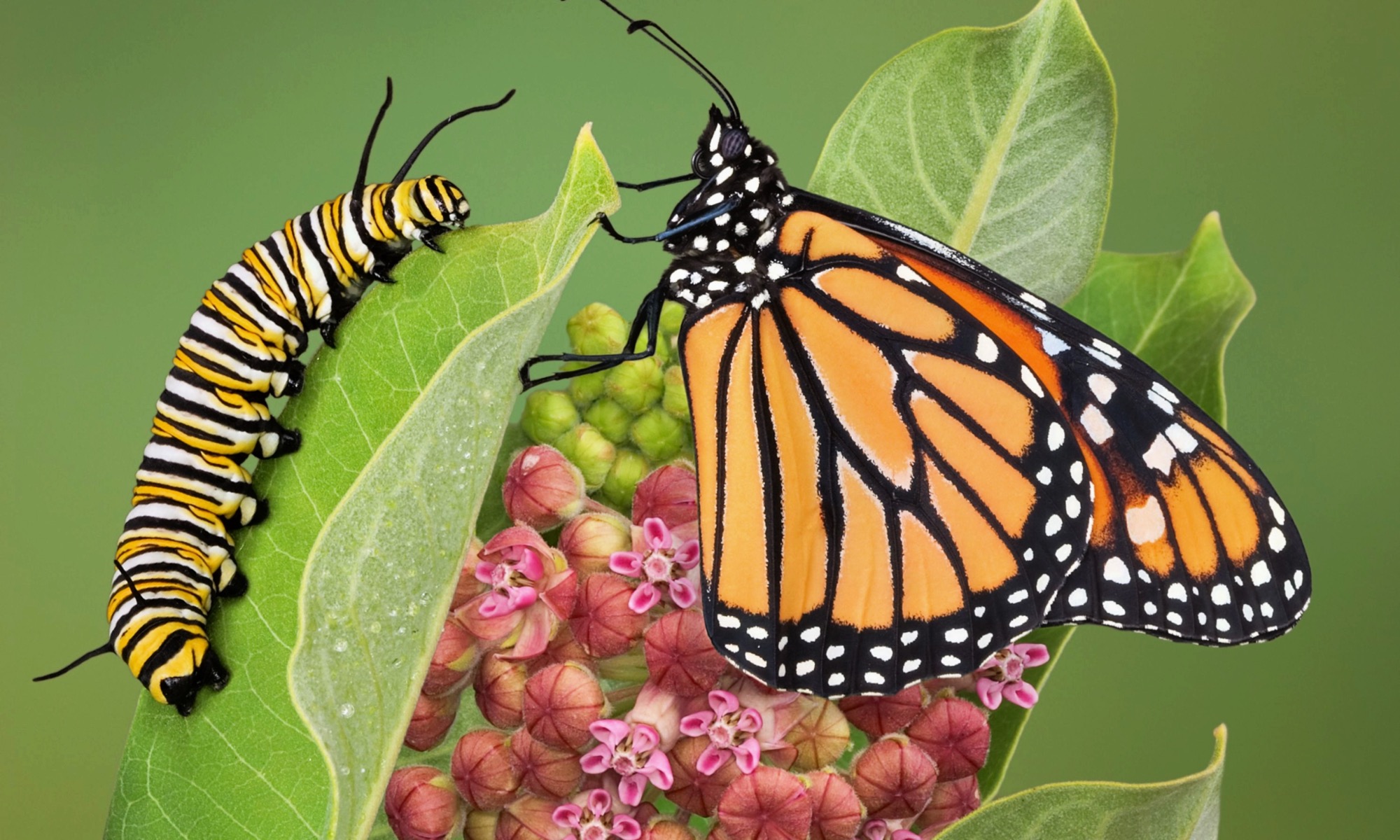
Did you know that each butterfly species has a special plant where it lays its eggs? These are called host plants.

The caterpillars eat the leaves of their host plant as they grow. Without the right plant, the butterflies can't survive!

Click the arrow to explore which plants match with which butterflies.

Click the plant to reveal which butterfly species depends on it!

Camouflage

Some butterflies are masters of disguise! They use camouflage to blend in with their surroundings and hide from predators.

Can you spot a hidden butterfly in the next scene? Look closely — it won't be easy!

Click anywhere to continue
Find the Camouflaged Butterfly!

Look carefully at the scene below. Click where you think the butterfly is hiding.

🍂 🍃 🌿 🍂 🍃 🌿 🍂 🌿 🍂 🍃 🍂 🌿 🍃 🍂 🍃

YOU FOUND IT!

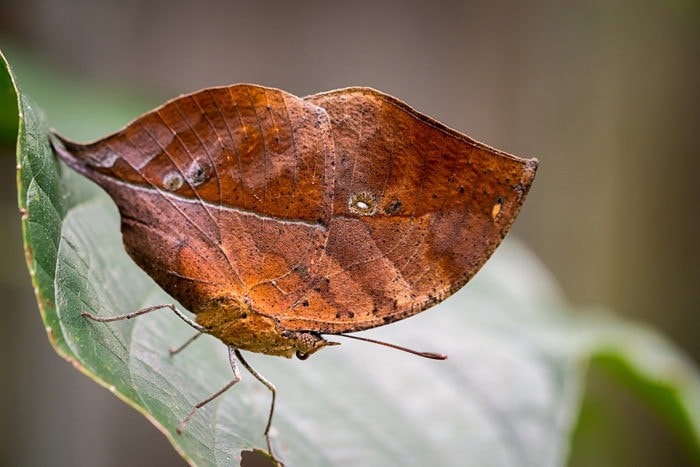
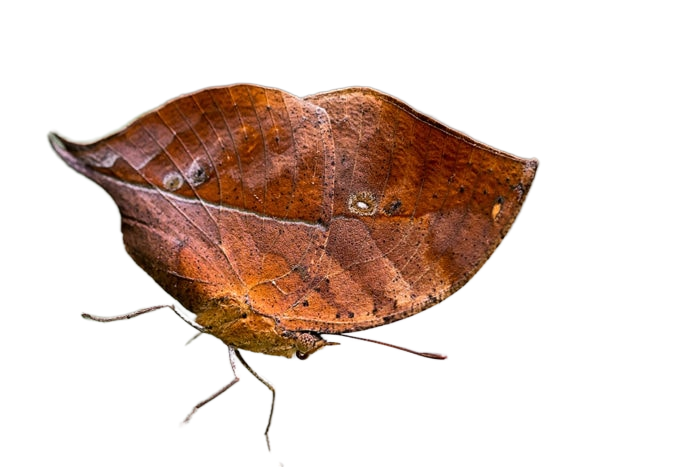
This is a Dead Leaf Butterfly (Orange Oakleaf).

Wings Closed

When the wings are closed, they look exactly like a dead, brown leaf — complete with veins and even spots that mimic decay!

Wings Open

When the wings open, they reveal beautiful bright orange and blue colors that surprise predators!

This amazing adaptation helps the butterfly hide in plain sight among fallen leaves on the forest floor.

Great Job, Explorer!

You've learned about how butterflies use camouflage to survive. The Dead Leaf Butterfly is just one example of nature's incredible disguises.

Head back to the meadow to continue exploring!

Thanks for Exploring the Meadow!

You've learned about host plants, camouflage, and the amazing world of butterflies.

Keep exploring nature — there's always something new to discover!


Find the Hidden Butterfly!

A butterfly is hiding near the top-left of this scene. Can you spot it?

🍃 🍂 🌿 🍂 🍃 🍂 🌿 🍃 🍂 🌿 🍂 🍃 🍂 🌿

You Found It!

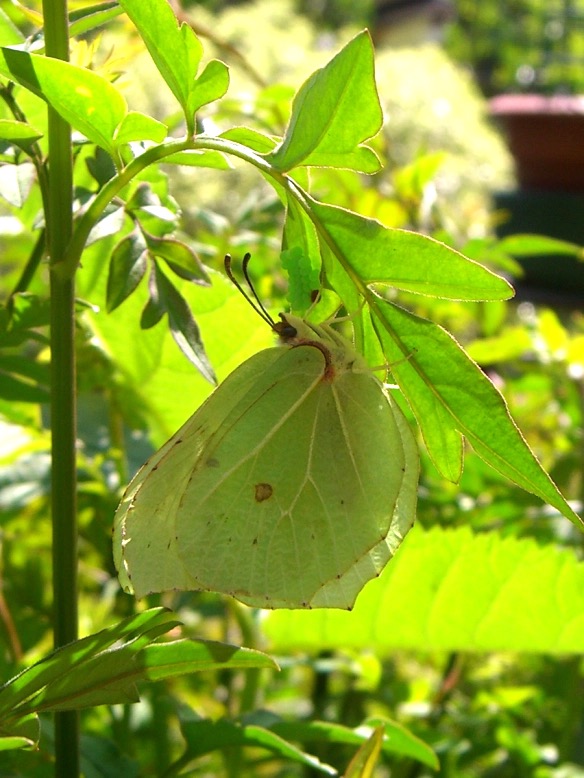
This is a Comma Butterfly!

How It Hides

The Comma Butterfly has jagged wing edges that look like torn leaves. When resting on a branch, it becomes nearly invisible!

Fun Fact

It gets its name from a tiny white comma-shaped mark on the underside of its hindwing.

Find Another Hidden Butterfly!

This one is also near the top-left. Look carefully among the bark and leaves!

🍂 🍃 🍂 🌿 🍂 🍃 🍂 🌿 🍂 🍃 🍂 🌿 🍂

Excellent Eye!

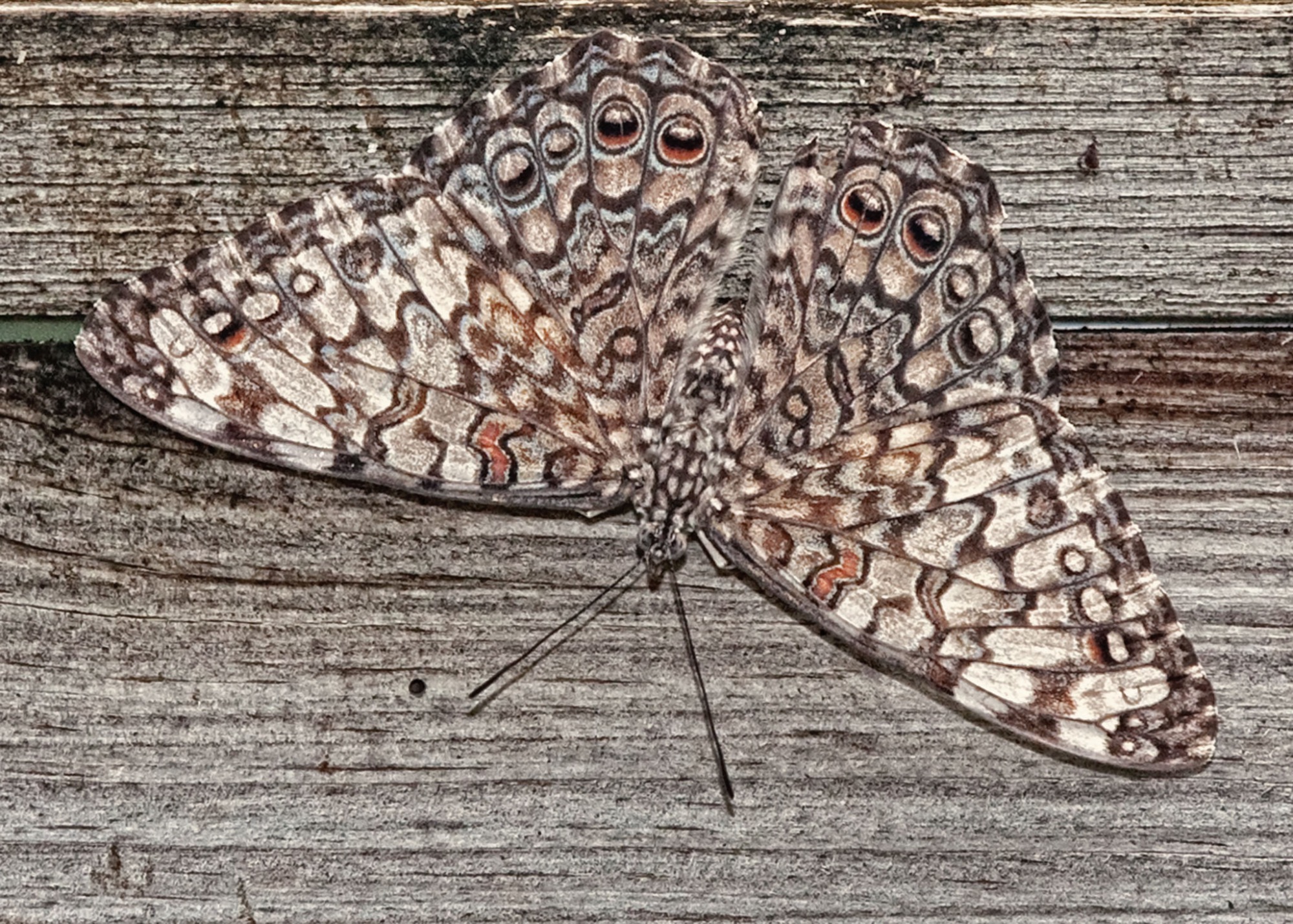
This is a Leaf Wing Butterfly!

Bark Mimic

The Leaf Wing's brown, textured underwings perfectly mimic tree bark and dried leaves. Predators walk right past!

Fun Fact

When it opens its wings, bright orange and red patterns flash to startle predators. It's a defense called "flash coloration."

One More Hidden Butterfly!

This last one is hiding near the top-left too. Can you find it among the lichen?

🍃 🍂 🌿 🍂 🍃 🍂 🌿 🍃 🍂 🌿 🍂 🍃

Amazing Find!

This is a Peppered Moth!

Lichen Mimic

The Peppered Moth's speckled wings blend perfectly with lichen-covered bark. Its pattern matches the background so well that birds can't see it!

Fun Fact

During the Industrial Revolution, dark-colored Peppered Moths became more common because pollution darkened tree bark. This is one of the most famous examples of natural selection!

You're a Camouflage Expert!

You've found all three hidden butterflies! Now it's time to learn more about different butterfly species up close.

In the next section, you'll explore a butterfly gallery and discover fascinating facts about six different species.

Click anywhere to continue
Butterfly Species Gallery

Welcome to the gallery! Here you'll meet six incredible butterfly species. Click on each one to discover what makes it unique.

Visit all six butterflies to complete your exploration!

Choose a Butterfly to Explore

Click each butterfly to learn about it. Visit all six to continue!

🦋 Monarch
🦚 Blue Morpho
🎨 Painted Lady
Swallowtail
🔥 Red Admiral
🌟 Viceroy

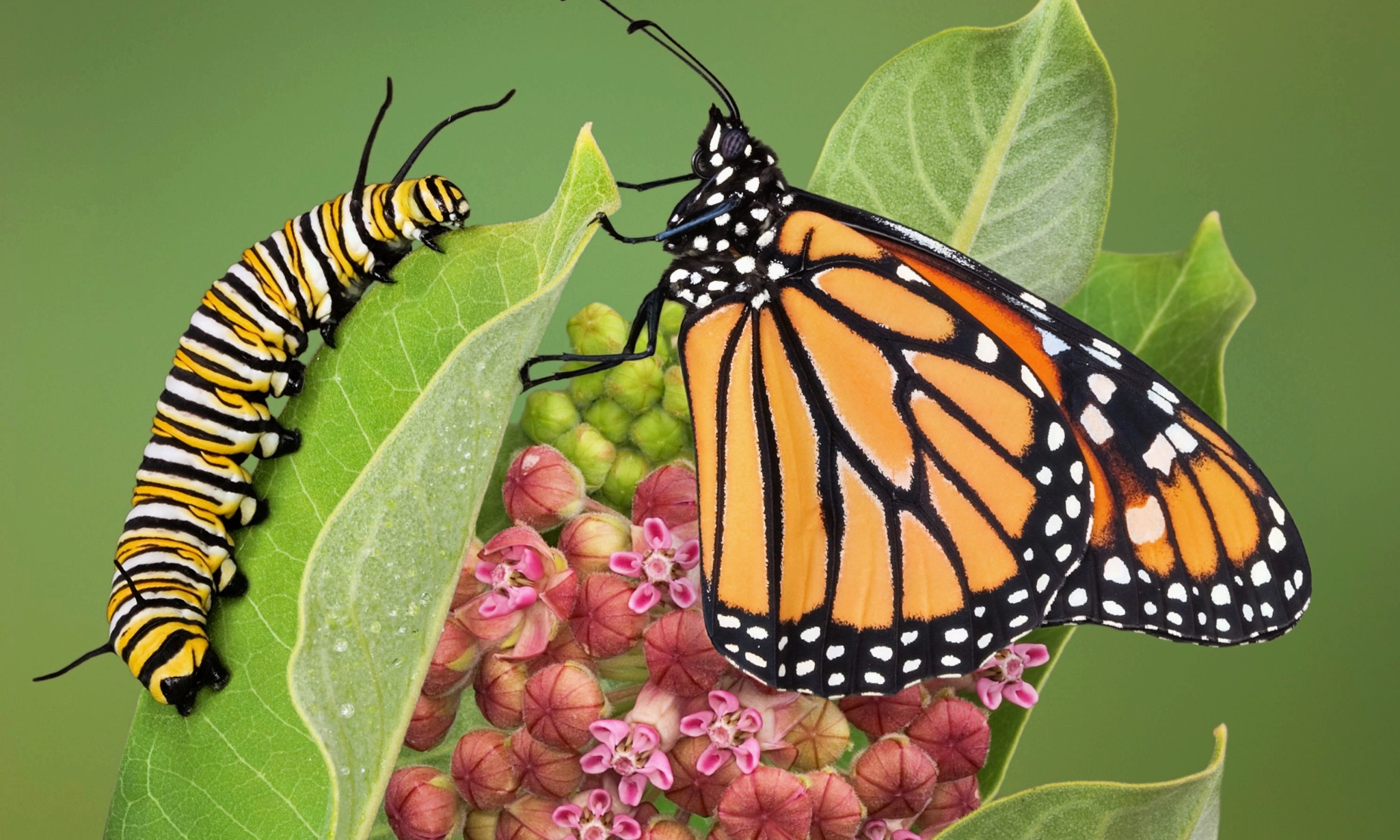
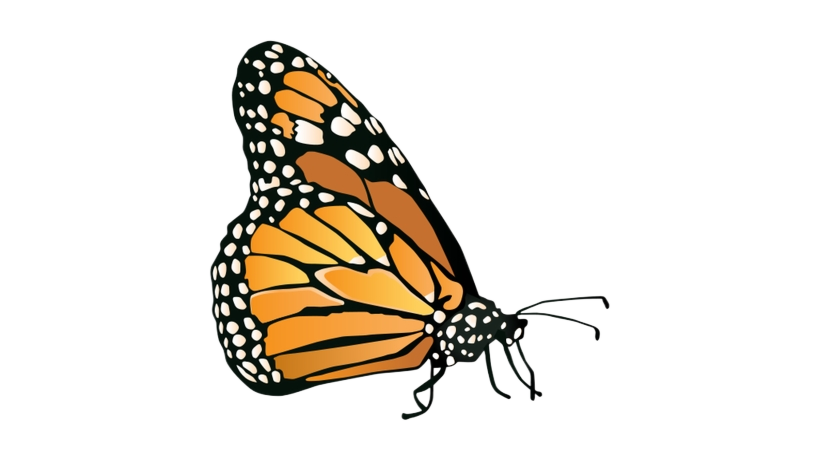
Monarch Butterfly

The Monarch is one of the most recognized butterflies in North America.

Migration

Monarchs travel up to 3,000 miles to overwinter in Mexico. They are the only butterfly known to make such a long two-way migration!

Defense

Their bright orange color warns predators: "I taste terrible!" Toxins from milkweed make them poisonous to birds.

Blue Morpho Butterfly

The Blue Morpho is one of the largest and most dazzling butterflies in the world.

Iridescent Wings

The Blue Morpho's brilliant blue color isn't from pigment — it's caused by microscopic scales that reflect light! This is called structural coloration.

Camouflage Trick

When its wings are closed, the brown underside helps it blend in with the forest floor. When it flies, the flashing blue confuses predators!

Painted Lady Butterfly

The Painted Lady is the most widespread butterfly species in the world!

World Traveler

Painted Ladies are found on every continent except Antarctica and Australia. They migrate long distances, sometimes crossing the Sahara Desert!

Many Host Plants

Unlike most butterflies, Painted Ladies can feed on over 100 different host plants, including thistles, mallows, and sunflowers.

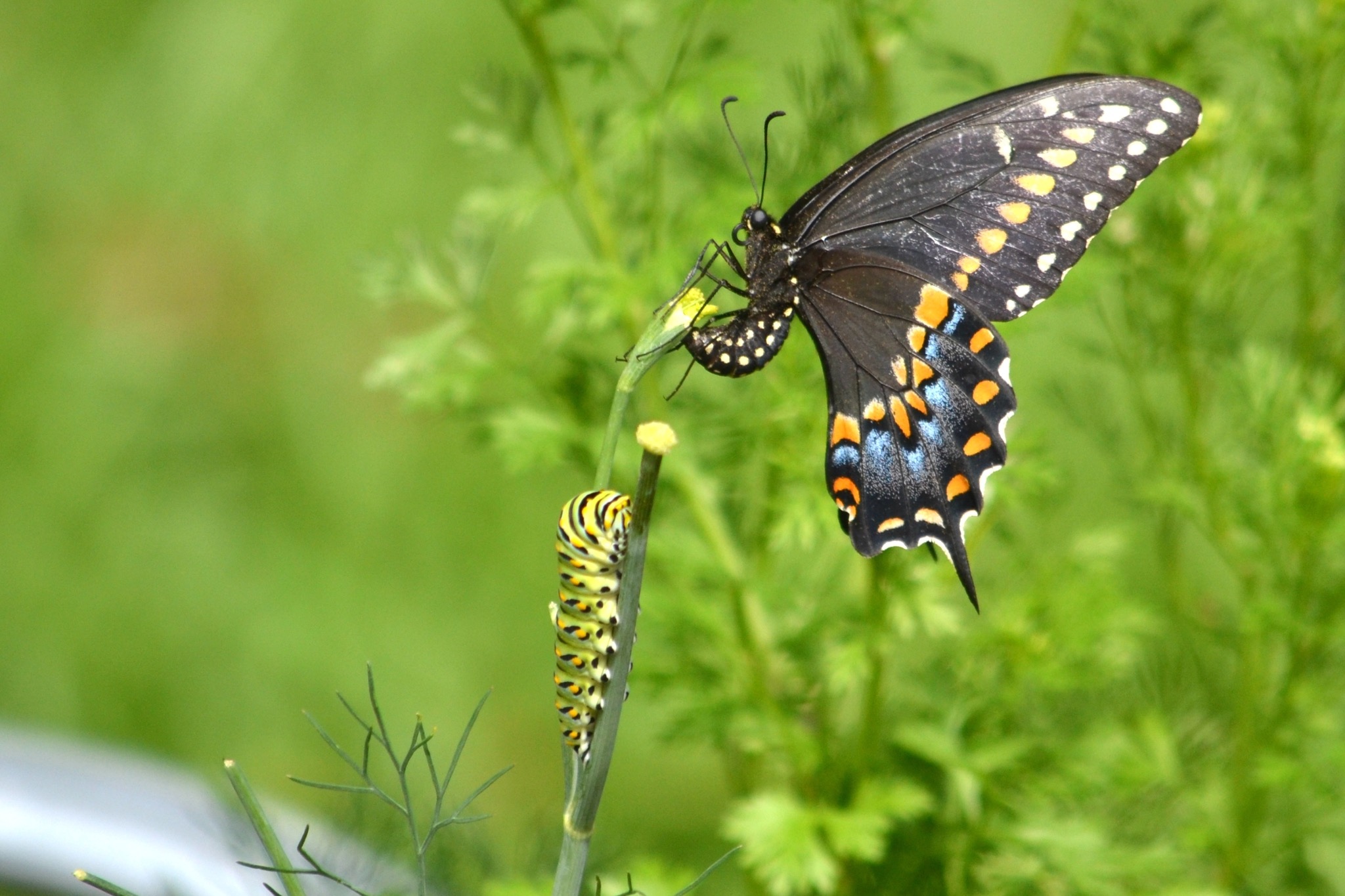
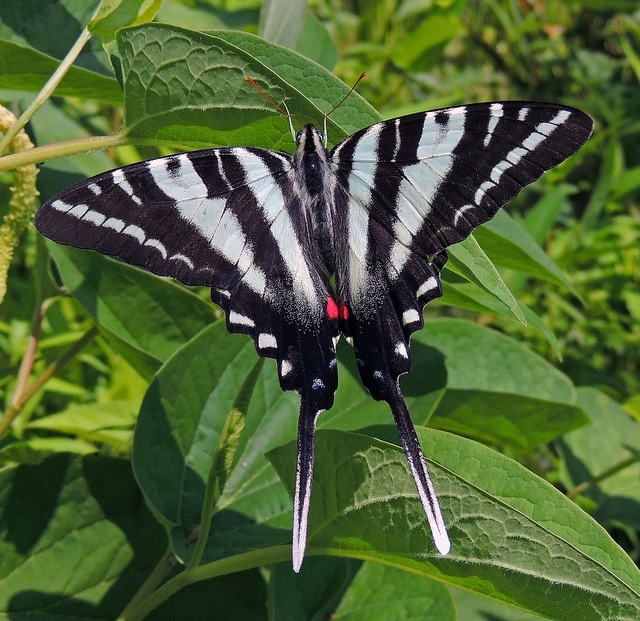
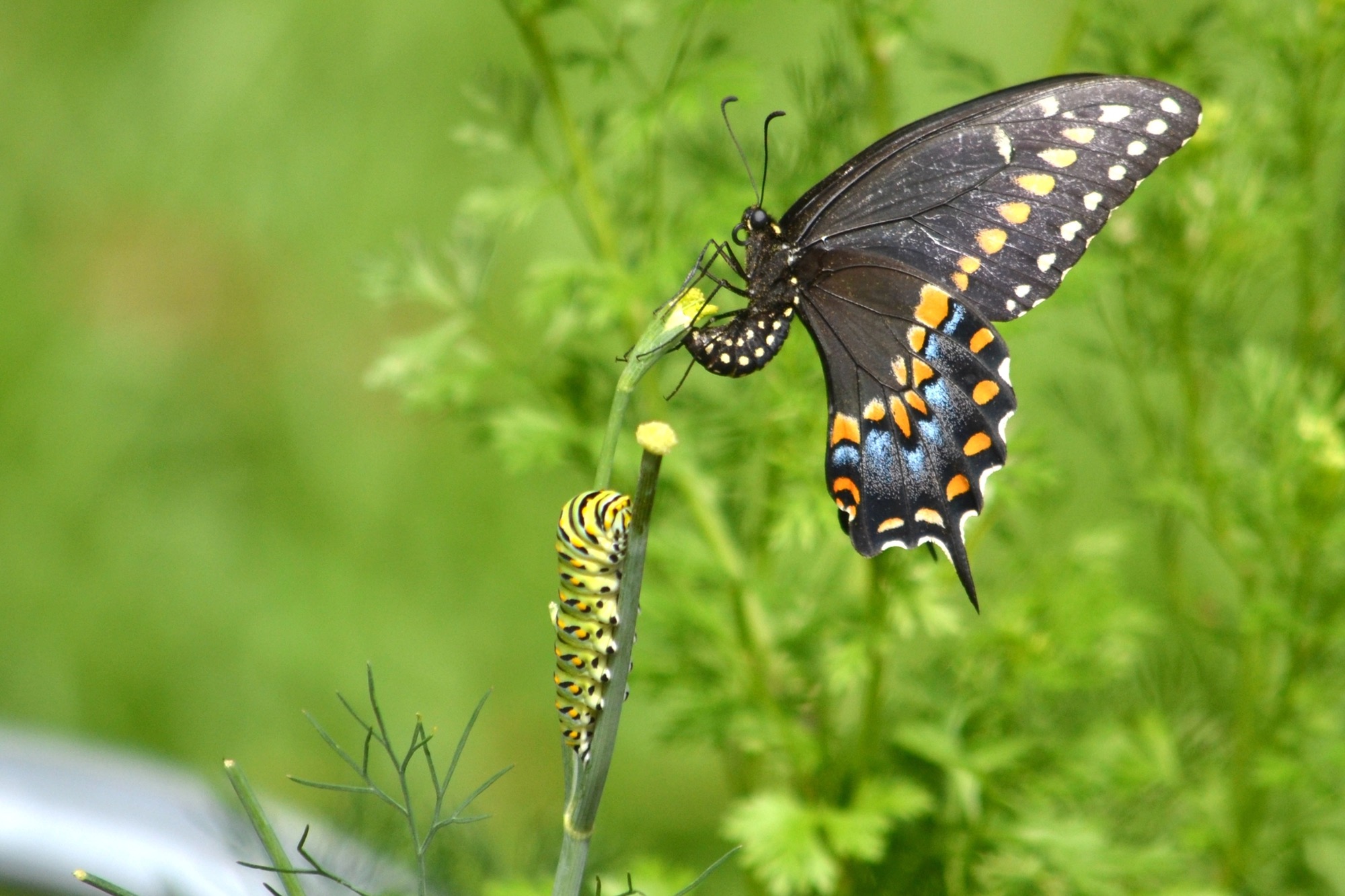
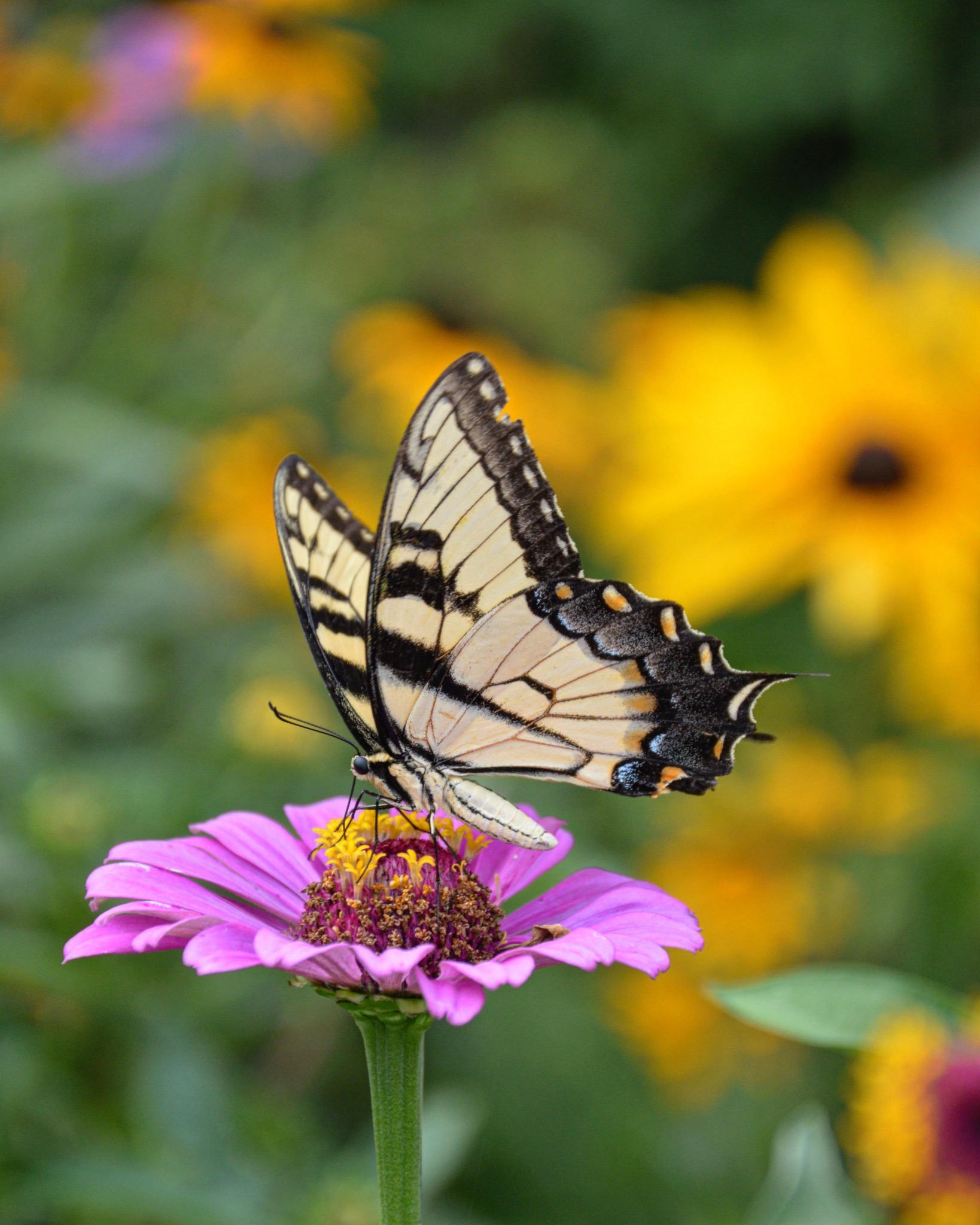
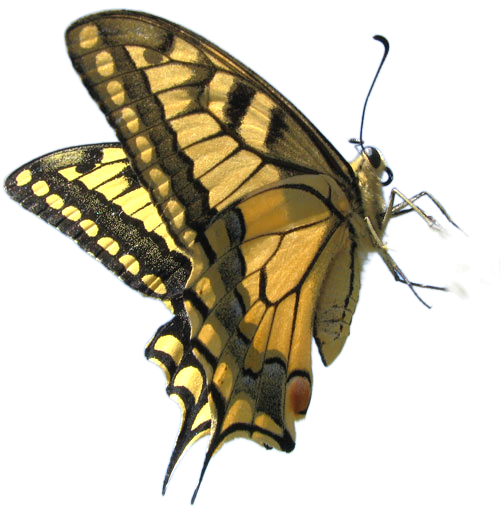
Eastern Tiger Swallowtail

The Eastern Tiger Swallowtail is known for its striking yellow and black tiger stripes.

Tail Trick

The "tails" on their hindwings look like antennae, tricking predators into attacking the wrong end. The butterfly escapes while the predator gets a mouthful of wing!

Caterpillar Disguise

Young caterpillars look like bird droppings to avoid being eaten. Older caterpillars have large eye spots that make them look like a small snake!

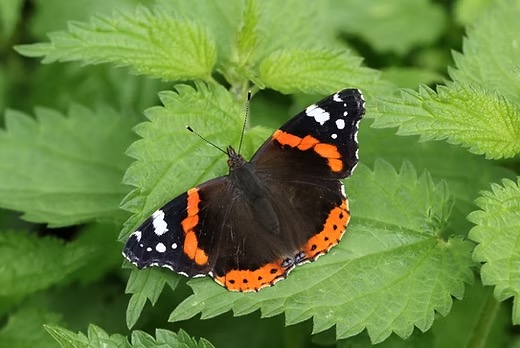
Red Admiral Butterfly

The Red Admiral is a common and boldly patterned butterfly found throughout North America and Europe.

Friendly Butterfly

Red Admirals are known for landing on people! They are territorial and often return to the same perching spot day after day.

Unusual Diet

Unlike many butterflies, Red Admirals prefer tree sap, rotting fruit, and even animal droppings over flower nectar!

Viceroy Butterfly

The Viceroy is famous for looking almost exactly like a Monarch — but it's a completely different species!

Mimicry Master

The Viceroy copies the Monarch's orange-and-black pattern. Predators who've learned Monarchs taste bad avoid Viceroys too — even though Viceroys are also distasteful!

How to Tell Apart

Look for a black line crossing the hindwing veins. Monarchs don't have this line, but Viceroys always do!

You've explored all the butterflies in the gallery!

What a Journey!

You've explored camouflage masters, learned about incredible species, and discovered the amazing adaptations butterflies use to survive.

The natural world is full of wonders — keep your eyes open, and you might spot some of these butterflies in your own backyard!

Click anywhere to continue
Congratulations, Explorer!

You've completed the Blooms & Butterflies adventure! You now know about host plants, camouflage, butterfly mimicry, and so much more.

Thank you for visiting the Franklin Park Conservatory & Botanical Gardens virtual meadow.

Oops!

It looks like you flew too far!